



What Is Fair Wear & Tear In Bond Cleaning?
Fair wear and tear is one of the most misunderstood terms in rental agreements, usually leading to confusion and unnecessary bond disputes. While tenancy laws acknowledge that a property will naturally age over time, many tenants are unsure about what is considered acceptable wear and tear and what may be classified as damage during the final inspection. Understanding this distinction early can help tenants avoid unnecessary disagreements and prepare more confidently for their final inspection.
This lack of clarity can make moving out stressful, especially when bond money is at stake. This article will help you know what fair wear and tear is in bond cleaning. Understanding fair wear and tear not only helps tenants set realistic expectations but also ensures they focus on what truly matters during end of lease cleaning preparation. This includes thorough cleaning and meeting inspection standards, particularly when arranging guaranteed bond cleaning Townsville services.
Hide
Show
- Understanding Fair Wear & Tear: What Does It Really Mean?
- Fair Wear & Tear vs Damage: Knowing the Difference
- Common Examples of Fair Wear & Tear in Rental Homes
- What Tenants Are Still Responsible for Cleaning
- How Property Managers Assess Fair Wear & Tear
- Tips to Protect Your Bond and Avoid Disputes
- Infographic: What Is Included In Fair Wear And Tear?
- Wrapping Up
1. Understanding Fair Wear & Tear: What Does It Really Mean?
Fair wear and tear refers to the natural deterioration of a rental property that occurs over time through normal, everyday use. This includes changes that happen even when a tenant has taken reasonable care of the property. Australian tenancy laws recognise that no home stays brand new forever, especially when it is lived in.
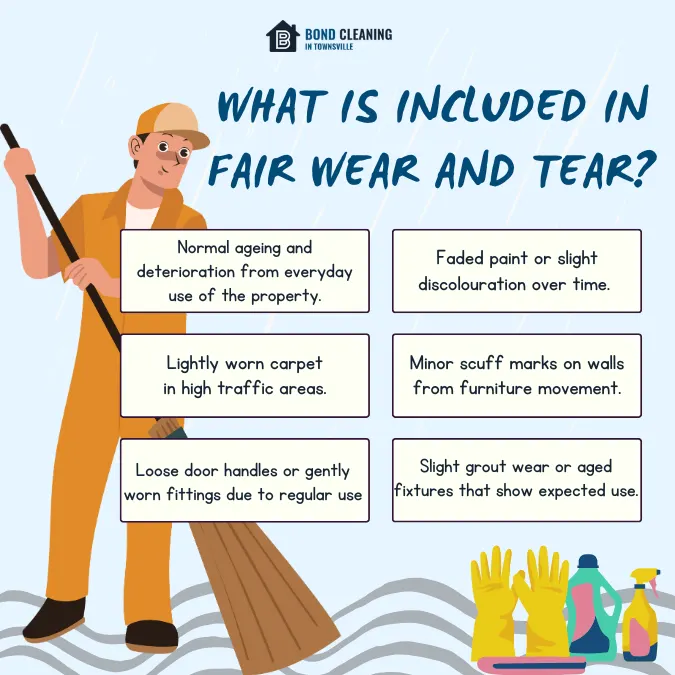
Examples of fair wear and tear include faded paint due to sunlight, lightly worn carpet in high traffic areas or minor scuffs on walls from furniture. These are not considered damage, and tenants are generally not responsible for fixing them before vacating.
2. Fair Wear & Tear vs Damage: Knowing the Difference
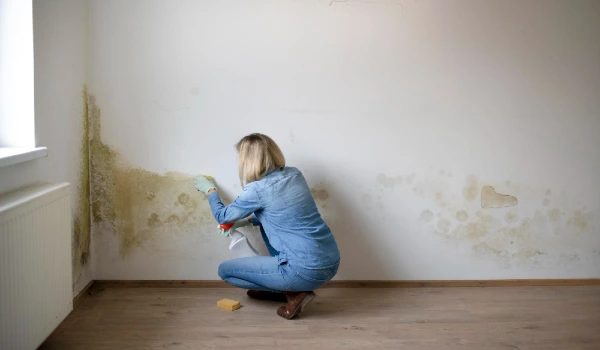
While fair wear and tear is unavoidable, damage occurs when something is broken, stained or altered due to neglect, misuse, or accidents. This is where many bond disputes arise, as landlords may sometimes classify damage incorrectly as wear and tear or vice versa.
For instance, small nail holes from picture frames may be acceptable, but large holes or wall cracks caused by mounting heavy objects are considered damage. Similarly, worn carpet from daily foot traffic is fair wear, whereas large stains, burns or pet damage are not and may require professional repair or cleaning.
3. Common Examples of Fair Wear & Tear in Rental Homes
Certain areas of a property naturally show signs of ageing faster than others. Flooring often experiences gradual wear especially in hallways and living rooms while kitchens and bathrooms may show minor surface scratches or dulled finishes over time.
Other common examples include loose door handles from regular use, gently worn curtains, or slight discolouration of grout due to age. These changes are expected, provided the tenant has maintained the property reasonably and kept it clean throughout the tenancy.
4. What Tenants Are Still Responsible for Cleaning
Even though fair wear and tear is allowed, tenants are still required to return the property in a clean and tidy condition. Dirt, grease, mould, and grime are not considered wear and tear and must be properly cleaned before the final inspection.
This is where professional bond cleaning Townsville services can be helpful. While cleaners cannot reverse ageing or natural deterioration, they can ensure that the property is hygienic, presentable, and meets the expectations outlined in the entry condition report. This reduces the risk of bond deductions.
5. How Property Managers Assess Fair Wear & Tear
Property managers typically compare the property’s condition at the end of the lease with the original entry condition report. They also consider factors such as the length of the tenancy, the number of occupants, and the age of the fixtures and fittings.
For example, a carpet that looks worn after a five year tenancy is far more acceptable than the same condition after six months. Clear documentation, photos and maintenance records can help support your case if there is any disagreement about what qualifies as fair wear and tear.
6. Tips to Protect Your Bond and Avoid Disputes
One of the best ways to avoid conflict is to document everything. Take dated photos when you move in and again when you move out, paying close attention to areas that already show signs of wear. This provides clear evidence if questions arise later.
Also, addressing minor issues early, such as cleaning spills promptly or reporting maintenance problems, can prevent small concerns from turning into larger disputes. Booking a reliable bond cleaning Townsville service before handing over the keys can also help ensure the property meets professional cleaning standards without over cleaning areas affected only by fair wear and tear.
Infographic: What Is Included In Fair Wear And Tear?
Wrapping Up
Fair wear and tear is a normal part of renting and is legally recognised across Australia. Understanding your rights and responsibilities makes the end of lease process smoother and less intimidating. With the right preparation, clear documentation, and professional cleaning support where needed, you can confidently move out knowing you have done your part to protect your bond.